Scott 3200A Tailwheel – Fully Rebuilt: Professional Replacement for Compatible Aircraft
Scott 3200A Tailwheel – Fully Rebuilt: Professional Replacement for Compatible Aircraft
Blog Article
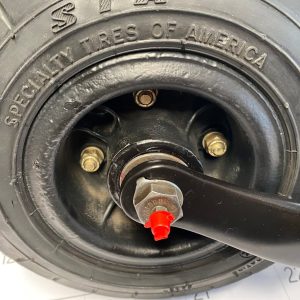
The Scott 3200A Tailwheel – Fully Rebuilt provides aircraft owners, pilots, maintenance facilities, and restoration specialists with a read more renewed tailwheel solution developed for compatible conventional-gear aircraft. Buyers should request an itemized rebuild summary instead of assuming that every component within the assembly is new.
The Scott 3200A Tailwheel Assembly combines wheel support, directional steering, swiveling capability, and tail-load management within one compact component. A Scott Tailwheel Assembly can develop wear through repeated taxi cycles, landings, vibration, dirt exposure, moisture, poor lubrication, incorrect alignment, or unsuitable adjustment.
The Aircraft Tailwheel Assembly carries tail loads while allowing the aircraft to taxi, turn, park, take off, and land on suitable surfaces. A General Aviation Tailwheel operating mainly on pavement may experience different wear from one used regularly on grass, gravel, dirt, or backcountry strips.
Whether the project involves a Tailwheel Steering Assembly, Aircraft Ground Handling Tailwheel, or Scott 3200 Series Tailwheel, professional installation remains important.
Understanding the Scott 3200A Tailwheel
The Scott 3200A is designed to provide tail support, wheel rotation, steering response, and controlled swiveling for compatible conventional-gear aircraft. Replacing the tailwheel alone may not correct a wider installation problem.
Maintaining a Scott 3200A Tailwheel Assembly
Suitable internal clearances and secure steering components contribute to consistent performance. Reusable parts may remain acceptable when they pass inspection, while worn or damaged components should be replaced appropriately.
Scott Tailwheel Assembly Rebuild Process
Final adjustment and functional testing should confirm that the Scott Tailwheel Assembly operates consistently. Cosmetic refinishing should remain secondary to mechanical condition and structural integrity.
Aircraft Tailwheel Assembly Operation
The assembly carries tail weight while managing runway irregularities, side loads, repeated landing cycles, and directional forces. A bent or fatigued tail spring can alter alignment and the aircraft’s ground attitude.
General Aviation Tailwheel Reliability
Grass, gravel, and dirt can introduce moisture, abrasive particles, vegetation, and debris into moving areas. Training aircraft may accumulate frequent taxi and landing cycles, while bush airplanes may experience greater surface irregularity and impact loading.
Aircraft Tailwheel Steering Performance
The assembly remains part of a complete ground-handling system that also includes rudder control, brakes, main gear, and pilot technique. The axle and bearings should be included in routine maintenance and rebuild inspection.
Maintaining a Taildragger Tailwheel
Taildragger pilots coordinate rudder, brakes, power, and tailwheel input to maintain ground stability. Responsible operation can extend Taildragger Tailwheel service life.
Understanding an Aviation Tailwheel System
A complete inspection helps avoid unnecessary replacement and repeated troubleshooting. Left and right steering connections should be inspected for matching condition and correct installation.
Maintaining a Tailwheel Steering Assembly
Wear in these components may create looseness, poor tracking, inconsistent engagement, or delayed control. Hardware should remain secure, correctly sized, and appropriate for the assembly.
Aircraft Taxi Steering Performance
An Aircraft Ground Handling Tailwheel supports controlled movement during taxi, parking, towing, hangar positioning, and ramp maneuvering. Ground personnel should avoid forcing the aircraft beyond suitable steering limits.
Scott 3200 Tailwheel Applications
A professionally rebuilt Scott 3200A can continue this design heritage while offering renewed mechanical condition. Model identification should be supported through reliable references and qualified review.
Choosing a Heavy-Duty Aircraft Tailwheel
Rugged operations may involve gravel, grass, dirt, uneven surfaces, frequent cycles, contamination, and repeated loading. Even a robust assembly can wear quickly when the tail spring, steering links, mounting bolts, or alignment are incorrect.
Inspecting Tailwheel Aircraft Parts
Every component should match the intended Scott assembly and aircraft installation. Systematic inspection supports dependable long-term performance.
Aircraft Steering Tailwheel Performance
The assembly should respond without excessive delay, harsh engagement, binding, or uncontrolled movement. Pilots should use techniques appropriate to the aircraft and avoid unnecessary mechanical stress.
Installing a Replacement Aircraft Tailwheel
Aircraft records may reveal previous modifications or approved changes that influence replacement selection. The unit should not be installed solely because it appears clean or freshly refinished.
Maintaining General Aviation Gear Components
Each component contributes to aircraft support, ground control, steering, braking, or load absorption. Sellers should avoid unsupported claims of universal compatibility, guaranteed serviceability, or immediate installation readiness.
Scott 3200A Pre-Purchase Inspection
The buyer should request enough information for a qualified maintenance professional to review the assembly before purchase.
- Determine whether the sale includes the tire, wheel, axle, bearings, steering springs, chains, mounting bolts, fittings, and rebuild records.
- Arrange professional evaluation when rebuild quality, structural condition, or internal serviceability remains uncertain.
- Inspect and photograph the assembly immediately after delivery before installation, adjustment, disassembly, lubrication changes, or modification.
Professional Scott 3200A Installation
Professional installation helps protect both the rebuilt Scott 3200A and the aircraft structure. The steering linkage should respond properly without restricting rudder movement.
Controlled taxi testing may help confirm steering response, centering, ground tracking, brake interaction, and shimmy resistance.
Protecting a Rebuilt Tailwheel Assembly
Aircraft operating from dirt, grass, gravel, mud, or backcountry strips may require more frequent attention. The tailwheel should not be ignored simply because it is positioned behind the pilot’s normal field of view.
Cleaning methods should avoid forcing dirt deeper into bearings, bushings, and internal steering components.
Choosing the Scott 3200A Tailwheel – Fully Rebuilt
The Scott 3200A Tailwheel – Fully Rebuilt may suit aircraft owners, bush operators, restoration facilities, flight schools, maintenance organizations, and pilots seeking renewed ground-handling performance. The assembly should be judged according to total installation suitability rather than fresh paint, brand recognition, appearance, or price alone.
Whether the requirement is a Scott 3200A Tailwheel Assembly, Scott Tailwheel Assembly, Aircraft Tailwheel Assembly, or General Aviation Tailwheel, exact installation details should guide the purchase. With responsible operation, protected shipping, timely maintenance, and organized documentation, the rebuilt tailwheel can remain a valuable aviation component.
Report this page